Every business owner spends thousands of hours thinking about what happens inside their business. But customers make dozens of decisions before they ever experience any of that.
They've already started judging you from across the street.
A shopfront isn't just a sign above a door. It's your first opportunity to tell people what kind of experience they're about to have.
Here are four things I notice almost every time I walk past a business.
Humans are social creatures. We use other people's behaviour as a shortcut when deciding what's worth our attention. If other people are choosing to spend their time somewhere, we instinctively assume there's a reason.
One person browsing a shop can attract another. A full beer garden can stop someone walking past. People become part of the marketing.
Sometimes your best advertisement is simply showing that other people have already chosen you.
IDEA: Get your phone out when it's busy and capture people enjoying themselves in your venue and post it to Stories on Instagram ASAP.

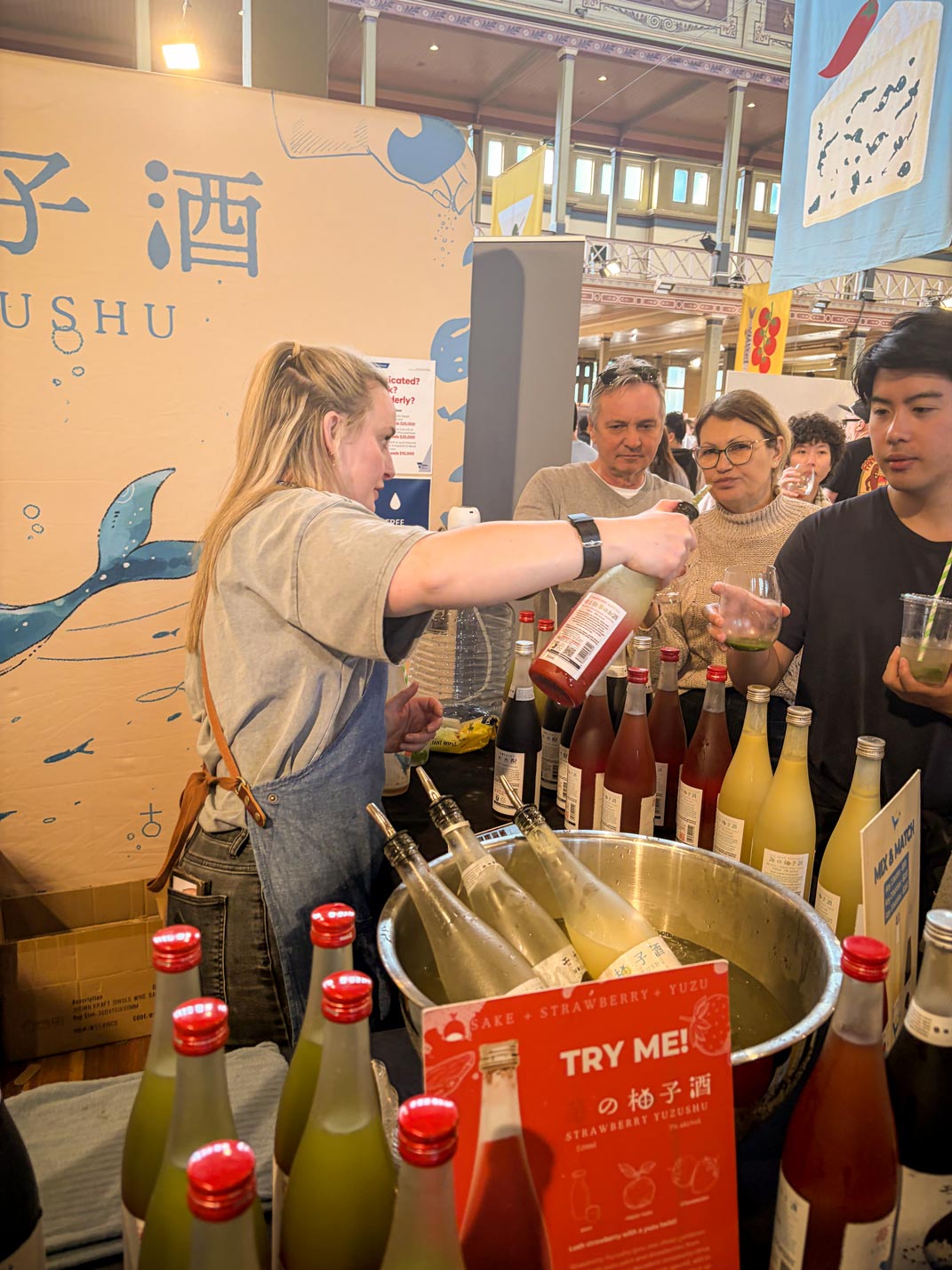
The best businesses don't hide the experience, they put it on display. People are naturally curious. We slow down when something is happening.
Movement creates theatre, and theatre creates attention.
Instead of asking, "How do we get people inside?" ask, "What can people see before they come inside?"
Sometimes the experience begins on the footpath.
IDEA: Friesday: If you are a pub, every Friday at lunch time you sell Fries in cups to punters on the street.

Customers don't consciously notice every detail. But, they pick up on them over time.
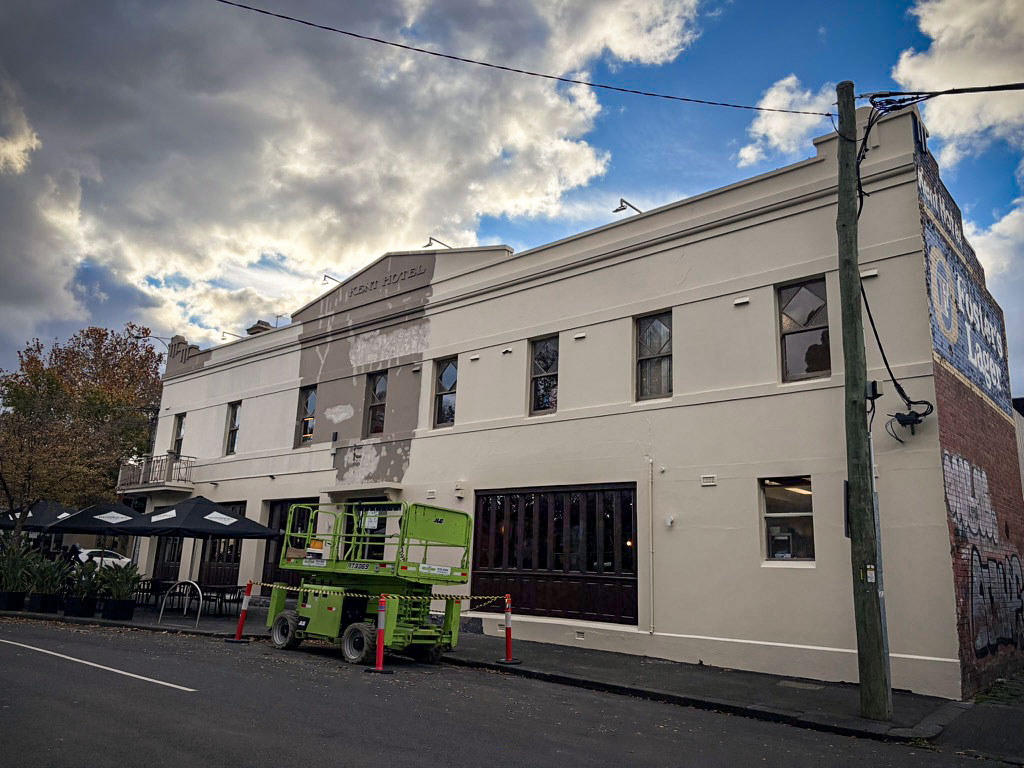
Tiled exterior, fresh lick of paint, a handwritten specials board, music spilling onto the street, comfortable outdoor seating.
Individually these things seem small, but together they answer one question every customer is asking:
"If they care this much about what's outside, how much will they care about what's inside?"
Your shopfront communicates standards long before your staff have a chance to.
IDEA: Put warm globes in you outside lights so it looks and feels inviting. More importantly it doesn't look like a 7/11 servo.
We don't photograph ordinary.
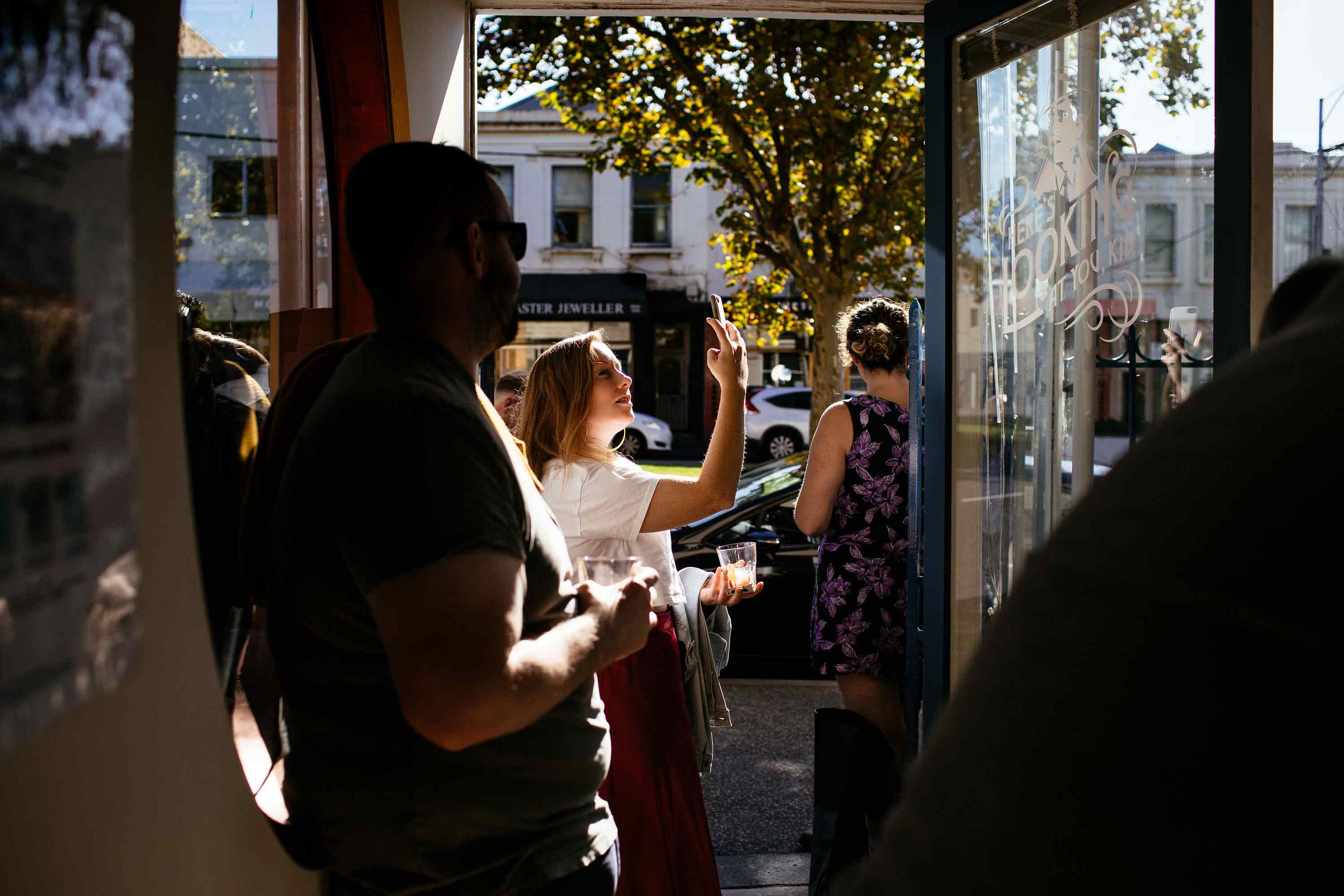
We photograph a clever window display, beautiful signwriting, a wall that becomes the backdrop for countless selfies or street musicians outside.
These are memory triggers. People increasingly collect experiences they can share.
Every photo someone takes becomes another invitation for someone else to visit.
The longer I work with hospitality businesses, the more I realise that people rarely choose a venue based on logic. They choose based on feeling.
Long before they've looked at a menu or tasted the food, they've already decided whether this is a place they want to spend their time.
Your shopfront is the first chapter of that story.

It’s important for us to acknowledge and recognise that where we live, work and play is on the lands of the Wurundjeri people of the Kulin Nation. We respect and honour Elders, past, present and future, and acknowledge their Native Title rights to Country, which holds the stories, traditions and living culture of Wurundjeri people.