Earworms. Catchy tunes that swirl around our heads. They keep playing involuntarily, on a loop, like a sadistic DJ with two 45s of the same track in his record bag.
P.S. Just so you know, DJs play records. If you don’t, you’re a playlist. Sorry.
You don’t consciously invite an earworm in. It sneaks in and gets lodged in your head and suddenly it is one with you.
It got me thinking that earworms are a wild and raw form of branding.
A more controlled version of an earworm would be a brand that pops into someone’s mind at the exact moment they need what it sells. Not because they have carefully reviewed every available option or your latest campaign. Your brand simply comes to mind when a need, problem or occasion presents itself.
That is when being remembered really matters.
This may be difficult for brand owners to hear, but customers aren’t sitting around thinking about your business. They have work to do, children to collect, bills to pay and their own problems to solve.
Most of the time, you are nowhere near the front of their minds.
Then something happens. They need somewhere for dinner. They want a beer. They run out of olive oil.
That brief moment is the commercial opportunity.
Which pub comes to mind? Which beer do they reach for? Which product do they recognise on the shelf?
The brands that appear in those moments have an enormous advantage. They have made it into the customer’s head before the customer begins comparing alternatives.
An earworm brand isn’t simply the loudest brand in the market. Repeating something endlessly can make it annoying without making it valuable.
Gluten Free World, for example, moved beyond being remembered for simply being a gluten-free option, we built its position around something customers genuinely missed: café-quality enjoyment at home.
That requires brand strategy grounded in an understanding of the market, the customer and the role your brand can credibly own. What problem are you solving? When does that problem occur? What matters to the customer in that moment? What can you say or do that your competitors cannot easily claim?
Without that thinking, consistency becomes repetition without direction.
With it, every interaction can reinforce the same useful idea.

Brands become familiar by showing up consistently and solving the problems of the people they care about.
That doesn’t mean publishing the same social tile every Tuesday or placing the logo in precisely the same corner of every ad. It means building a recognisable brand identity system around a clear commercial position.
The language sounds like you. The photography feels like you. The colours, shapes, packaging, spaces and customer experience all reinforce the same idea. A customer may encounter the brand on a shelf, through a recommendation, outside a venue, on a website or in their social feed, but each encounter adds to the same memory.
Over time, those fragments accumulate.
Then, when the customer needs what you sell, the brand is already there.
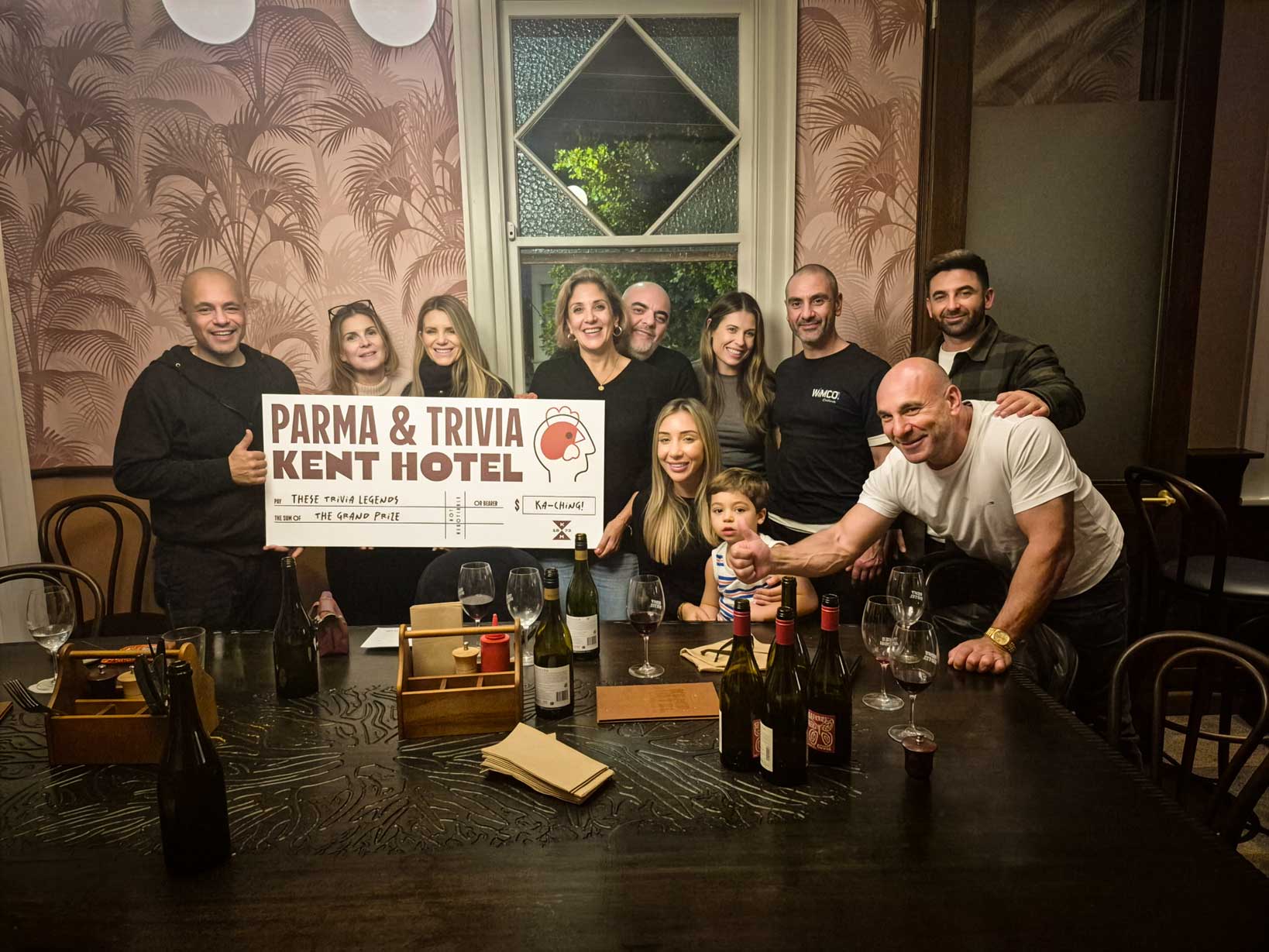
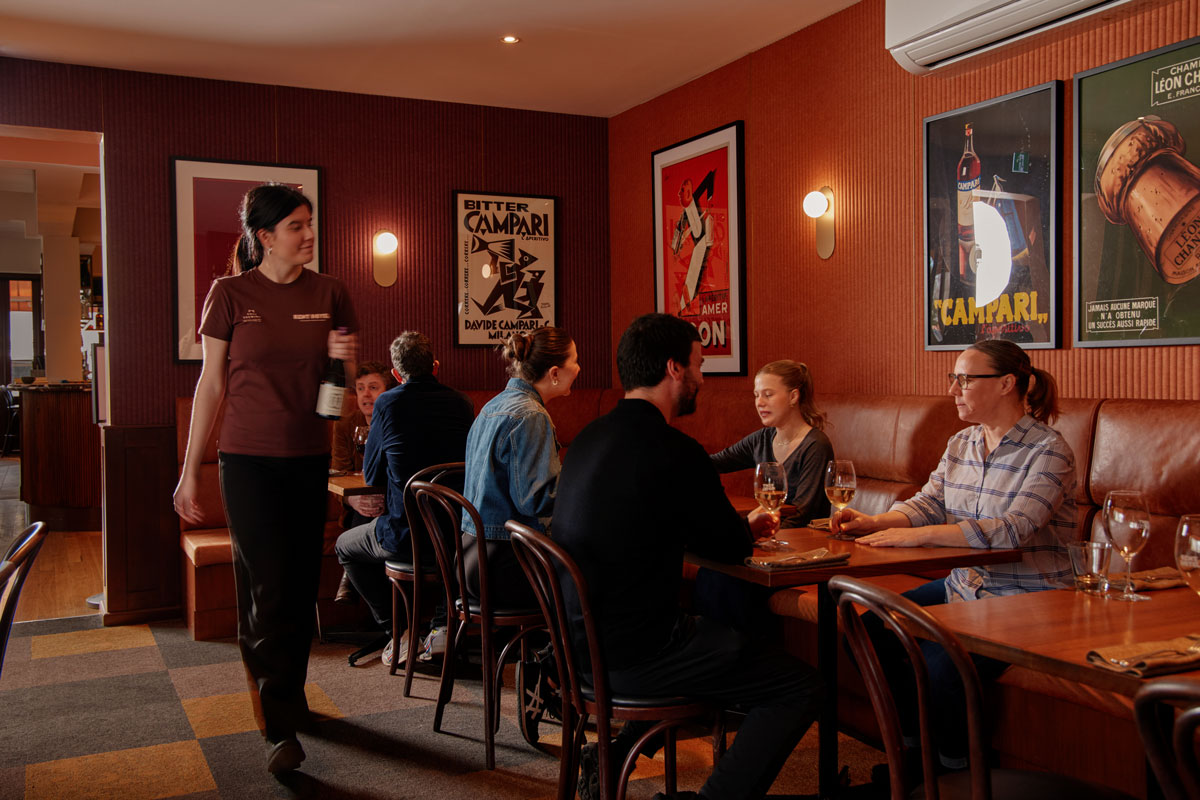
The Kent Hotel is a good example. The Northside Social positioning was carried through the identity, interiors, signage, menus, photography, website, offers and launch activity. Each encounter looked different, but each reinforced the same idea: a neighbourhood pub Carlton North could make its own.
Strong brands give customers clues. A colour, character, photography, tone of voice.
Individually, these things can seem small. Together, they form a distinctive set of signals that helps people recognise the brand quickly and remember it later. GOAT Lager used bold primary colours, simple geometry, familiar beer cues and an uncomplicated proposition to create an identity people could recognise across packaging, venues and communications.
This is where craft matters. Not as decoration, but as a way of making the commercial idea easier to notice, understand and recall. Packaging makes that strategy physical, turning colour, shape, messaging, materials and format into signals a customer can see and experience.
The goal isn’t merely to look polished. The goal is to build assets that could only belong to your brand and then use them consistently enough to create recognition.
That is what makes a brand differentiated, distinctive and sticky.

Businesses often jump straight to activity. More content. More advertising. More posts. More things moving through the marketing machine.
But increasing the volume of an unclear or undistinguished brand rarely solves the underlying problem. It simply puts more forgettable communication into the world.
Before asking how often the brand should appear, work out what should be remembered.
What is the commercial advantage? What customer problem does the brand solve? Which occasions should bring it to mind? What does the brand need to look, sound and feel like to own that position? Which elements must remain consistent as the business grows?
Answer those questions and you can build a system that makes every piece of communication work harder—and a go-to-market plan that connects the commercial thinking to what customers actually encounter.
Then repetition has a purpose.
The real test of a brand isn’t whether the owner likes the identity or whether the latest campaign looks good in a presentation.
The test comes later, often when the brand isn’t in the room.
When your customer has a problem, desire or occasion that your business can answer, does your brand come to mind?
Or does somebody else’s?
When your customer needs what you sell, is yours the brand that gets stuck in their head?

It’s important for us to acknowledge and recognise that where we live, work and play is on the lands of the Wurundjeri people of the Kulin Nation. We respect and honour Elders, past, present and future, and acknowledge their Native Title rights to Country, which holds the stories, traditions and living culture of Wurundjeri people.